Apartment Gym: Because Your Living Room Deserves a Squat Rack


.svg)
Designing a High-Performance Apartment Gym in Limited Space
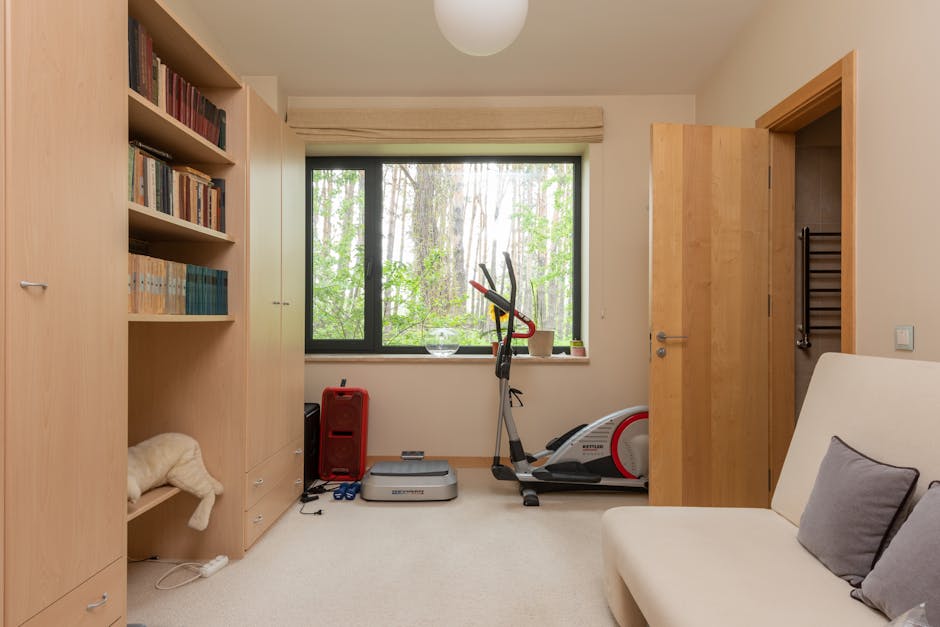
When we talk about building an apartment gym, the biggest hurdle is usually the floor plan. However, you don't need a sprawling 4,000-square-foot facility like the one we see in state-of-the-art developments to get a professional-grade workout. Most effective home setups thrive in spaces as small as 80 to 120 square feet.
The secret lies in layout efficiency and the "Golden Rule of Three": Strength, Cardio, and Mobility. By segmenting your space into these three zones, you can ensure that your training remains structured and your floor remains uncluttered. We recommend maintaining at least 2 to 3 feet of clear walkway space around every major piece of equipment. This isn't just for comfort; it’s a safety requirement. You don't want to be tripping over a kettlebell while trying to dismount a stationary bike.
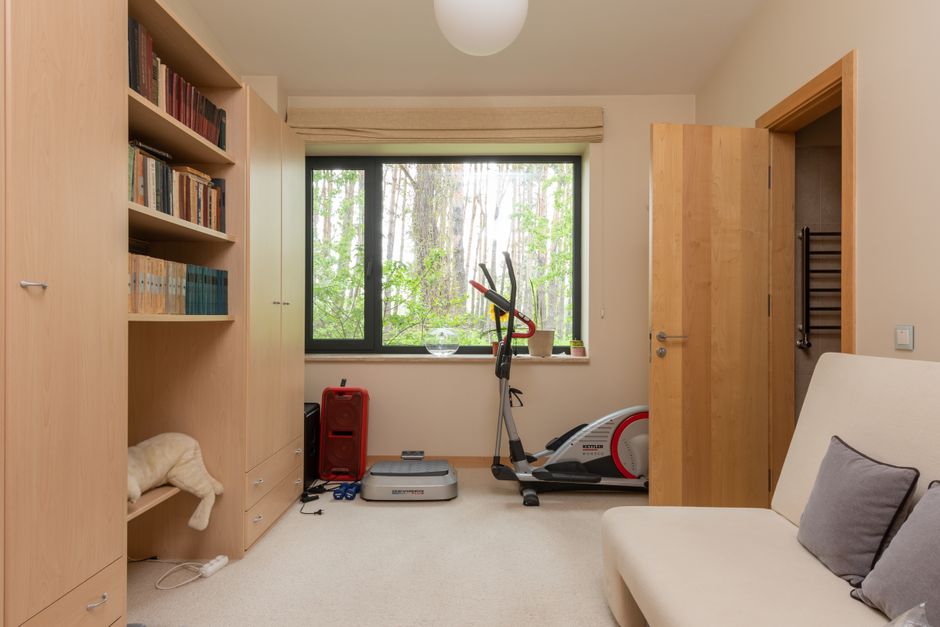
Verticality is your best friend. In a luxury Miami residence, we value clean lines and open floors. You can achieve this by using wall-mounted pegboards for resistance bands and jump ropes, or vertical dumbbell racks that take up less than two square feet of floor space. Utilizing wall space for storage allows you to keep the center of the room open for dynamic movements like lunges or shadowboxing.
Equipment Footprint Comparison Table
| Room Size | Recommended Setup | Total Footprint |
|---|---|---|
| Small (80-120 sq ft) | Adjustable dumbbells, folding bench, yoga mat | ~25 sq ft used |
| Medium (150-250 sq ft) | All-in-one cable tower, stationary bike, free weight rack | ~60 sq ft used |
| Large (300+ sq ft) | Half-rack, treadmill, dedicated recovery zone | ~120+ sq ft used |
Essential Equipment for Your Apartment Gym
To maximize your gains without sacrificing your floor plan, you need "anchor" pieces. These are versatile tools that allow for hundreds of exercises.
- Adjustable Dumbbells: These are the gold standard for apartment living. A single pair can replace an entire rack of weights from 5 to 50 pounds (or more), occupying only about 1.5 square feet. This eliminates the need for bulky storage and keeps your living space looking like a home, not a commercial warehouse.
- Multi-functional Cable Towers: If you have the height, a slim cable tower is the most versatile tool for full-body training. It allows for constant tension, which is excellent for muscle growth and joint health.
- Folding Squat Racks: For those serious about heavy lifting, modern racks can now fold flat against the wall when not in use, protruding only a few inches into the room. This allows you to perform heavy compounds like squats and presses without permanently losing your living room space.
According to Apartment Complex Gym Workout: Mastering Limited Equipment, focusing on unilateral movements (like Bulgarian split squats) and manipulating tempo can make even lighter weights feel incredibly heavy, ensuring you don't need a 500-pound barbell set to see progress.
Low-Noise Cardio Solutions for Apartment Living
Cardio is often where neighbor complaints begin. To keep the peace in a shared building, we suggest steering away from traditional treadmills if you live on an upper floor. The constant thumping of a runner's gait is difficult to mask, even with the best subflooring.
Instead, look for magnetic resistance equipment. Magnetic stationary bikes and ellipticals are nearly silent because there are no friction pads touching the flywheel. They are also incredibly compact; many modern folding bikes can be tucked into a closet after your session. This ensures your workout doesn't disturb the tranquility of your neighbors.
If you must have a treadmill, opt for a "walking pad" designed for lower speeds and use a high-density vibration-dampening mat underneath. For a structured approach to training with what you have, programs like Apt Fit: The Apartment Gym Workout Program can help you maximize these limited tools for fat loss and conditioning.
Flooring and Noise-Reduction Strategies for Shared Buildings
In Miami real estate, protecting the integrity of your unit is paramount. Dropping a 40-pound dumbbell on a luxury vinyl plank or hardwood floor is a recipe for a lost security deposit and potential structural damage.

Noise-reduction strategies we swear by:
- Interlocking Rubber Tiles: Use tiles that are at least 1/2 inch to 3/4 inch thick. These absorb the impact of dropped weights and the vibration of cardio machines. For high-rise living, look for "acoustic decoupling" mats that are specifically designed to prevent sound from traveling through the concrete slab.
- Bumper Plates: If you are using a barbell, iron plates are loud. Urethane or rubber bumper plates are much quieter when they make contact with the floor and are less likely to crack your subfloor.
- Controlled Lowering: Implement a "3-second eccentric" rule. Not only does this build more muscle by increasing time under tension, but it also ensures you aren't slamming weights onto the floor. This technique is essential for maintaining a respectful environment in a shared residential building.
By prioritizing these Wellness and Fitness Amenities at The Douglas Miami, residents can enjoy a high-end experience without the stress of disturbing their neighbors. Proper flooring is the foundation of a successful home gym, acting as both a safety feature and a sound barrier.
Optimizing the Environment: Lighting, Ventilation, and Recovery
A gym shouldn't feel like a dungeon. To stay motivated, your apartment gym needs to be an inviting space that encourages consistency.
Natural Light and ViewsIf possible, set up your cardio equipment near floor-to-ceiling windows. In Miami, we are blessed with incredible skyline views. Utilizing that natural light can boost your serotonin levels and keep you energized during a tough set. Biophilic design—incorporating natural elements like light and views—has been shown to reduce perceived exertion, making your workouts feel more manageable. For evening workouts, linear LED lighting provides a modern, high-energy feel without the harsh flicker of old-school fluorescents.
VentilationSmall rooms heat up quickly during HIIT sessions. Ensure your space has adequate airflow to prevent humidity buildup, which can damage electronic equipment. If your apartment's HVAC isn't enough, a high-velocity floor fan is a worthy investment. Keeping the air moving also helps with post-workout odors, ensuring your gym space remains a pleasant part of your home.
The Recovery ZoneDon't forget the "cool down." A dedicated 6'x6' open area for a yoga mat, foam rollers, and perhaps a percussion massage tool can transform a workout corner into a holistic wellness suite. Recovery is where the actual progress happens, so having a space to stretch and decompress is vital. Mirrors are also essential—not for vanity, but to monitor your form and prevent injury when a trainer isn't present. They also help reflect light, making a small gym feel twice as large.
For those looking to mix up their routine, we even see residents integrating Golf Simulator Fitness Amenities into their lifestyle to improve coordination and core strength in a relaxed setting.
Safety, Maintenance, and Liability in Residential Fitness Spaces
Whether you are using a personal setup or a shared community fitness center, safety is the priority. A well-maintained gym is a safe gym, and regular upkeep prevents costly equipment failures.

Maintenance Checklist:
- Weekly Inspections: Check for frayed cables on your tower and loose bolts on your bench. Ensure that folding mechanisms are lubricated and locking pins are fully engaged before adding weight.
- Sanitization: Wipe down equipment after every use. Sweat is corrosive and can damage the finish of your gear over time. Use non-bleach sanitizing wipes to protect the upholstery of your benches and the grips of your dumbbells.
- Weight Capacity: Always check the user weight limit on folding benches and pull-up bars. Most standard equipment supports 300 lbs, but high-end gear can handle much more. Never exceed these limits, as it can lead to catastrophic equipment failure.
In shared spaces, it is important to follow posted signage regarding hours of operation and guest policies. Most modern buildings require a liability waiver to ensure all residents understand the risks associated with heavy lifting. You can find more Gym Etiquette and Safety Tips for Residents on our community boards to ensure a harmonious environment for everyone. Following these guidelines ensures that the fitness center remains a premier amenity for the entire community.
Frequently Asked Questions about Apartment Gyms
How do I prevent floor damage in a rental?
The most effective way is to use a dual-layer approach. Place a thin, non-slip rug pad down first, followed by high-density interlocking rubber mats. This prevents the rubber from potentially staining the floor while providing maximum impact protection. For heavy equipment like a squat rack, consider adding a 3/4-inch plywood layer between the mats to further distribute the weight.
What is the best equipment for a studio apartment?
If space is at an absolute premium, we recommend a set of adjustable kettlebells and a suspension trainer (like a TRX) that anchors to a door. These provide a full-body workout and can be stored in a single drawer. Resistance bands are another excellent addition, offering variable tension without taking up any floor space at all.
How can I build muscle with limited dumbbell weights?
Focus on mechanical tension and metabolic stress. If your dumbbells only go up to 50 pounds, slow down your repetitions to increase time under tension. A 4-second descent and a 2-second pause at the bottom of a chest press will make a 40-pound weight feel significantly heavier. Supersets—performing two exercises back-to-back without rest—are also a great way to increase intensity and stimulate muscle growth without needing heavier iron.
Conclusion
Building an apartment gym is about more than just buying a few weights; it’s about creating a sustainable lifestyle within the walls of your home. By choosing compact, quiet equipment and protecting your space with proper flooring, you can enjoy a world-class workout experience every single day.
At The Douglas Miami, we believe that luxury living and peak physical fitness go hand-in-hand. Our community is designed to support your goals, whether you're training in your modern 12-story residence or taking advantage of our premium on-site amenities like the pickleball court and golf simulator.
Ready to see how luxury and fitness collide? Visit The Douglas Miami and discover your new home in the heart of Miami.

Related Posts

CONTACT US
Everything starts with hello. Fill out the form below to stay in the loop with updates on The Douglas.
