Why 191 Units is the Magic Number for Mixed-Use Success

.svg)

Why a 191-Unit Mixed-Use Building Hits the Sweet Spot in Urban Development
A 191-unit mixed-use building is a mid-to-large-scale residential development that combines apartments with ground-floor retail or commercial space — typically built across five to eight stories, with subterranean parking and a unit mix ranging from studios to three-bedrooms.
At a glance, here's what defines a 191-unit mixed-use building:
| Feature | Typical Range |
|---|---|
| Residential units | 191 apartments (studios to 3-bed) |
| Ground-floor retail | 11,400 – 23,185 sq ft |
| Parking | 141 – 411 spaces (often subterranean) |
| Building height | 5 to 26 stories |
| Average unit size | ~919 sq ft |
| Affordable housing | 10–20% of units (varies by zoning) |
This scale isn't arbitrary. It's large enough to support vibrant street-level retail and shared amenities, yet focused enough to feel like a community rather than a complex.
Projects at this scale appear across the country — from adaptive reuse of a 1972 Holiday Inn converted into 191 apartments, to phased new construction like Santa Monica's Catherine development, where a 191-unit second phase followed an 89-unit first phase.
For renters seeking walkable urban living with real amenities, this building type has become the benchmark.
I'm Gunnar Blakeway-Walen, Marketing Manager at FLATS® and recipient of Funnel Forum's 2024 Visionary of the Year — I've spent my career analyzing how developments like a 191-unit mixed-use building attract and retain residents through smarter design, positioning, and community-building. Let's break down exactly what makes this scale work so well.

The Anatomy of a 191-Unit Mixed-Use Building
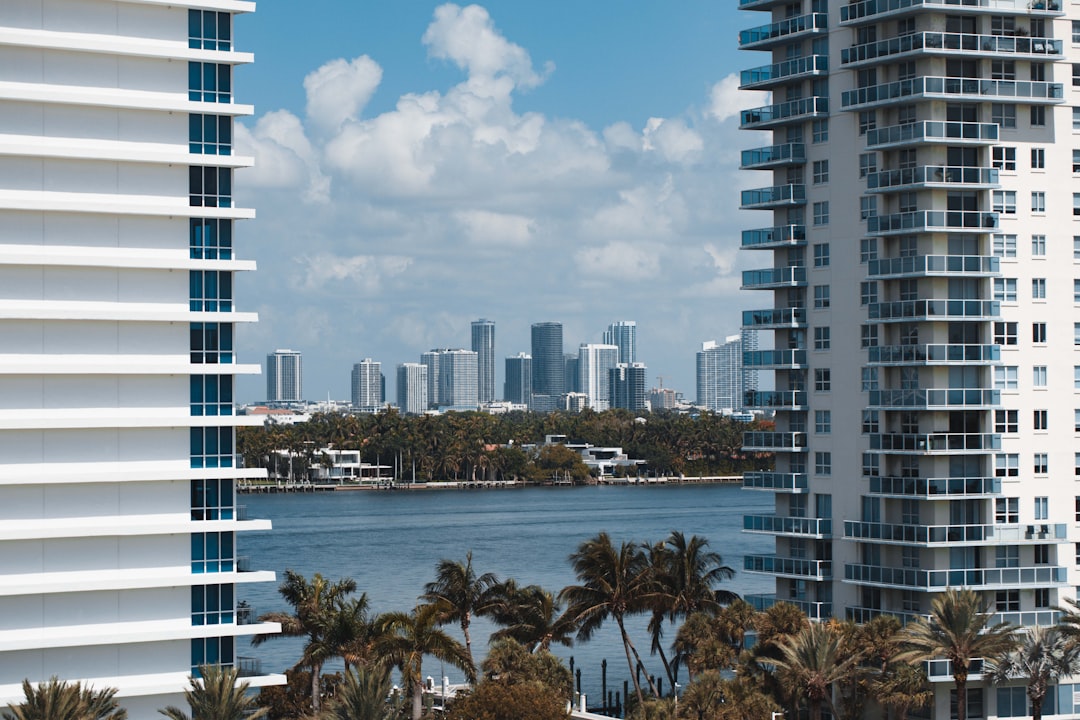
When we look at the DNA of a 191-unit mixed-use building, we see a carefully balanced ecosystem. In the heart of Miami, specifically at 7737 NE 2nd Ave, this scale allows us to create a 12-story landmark that feels both grand and intimate. The structural "anatomy" usually involves a podium-style construction where residential levels sit atop a commercial base, often supported by deep-soil foundations or steel pipe piles if the site is near the coast or riverfront.
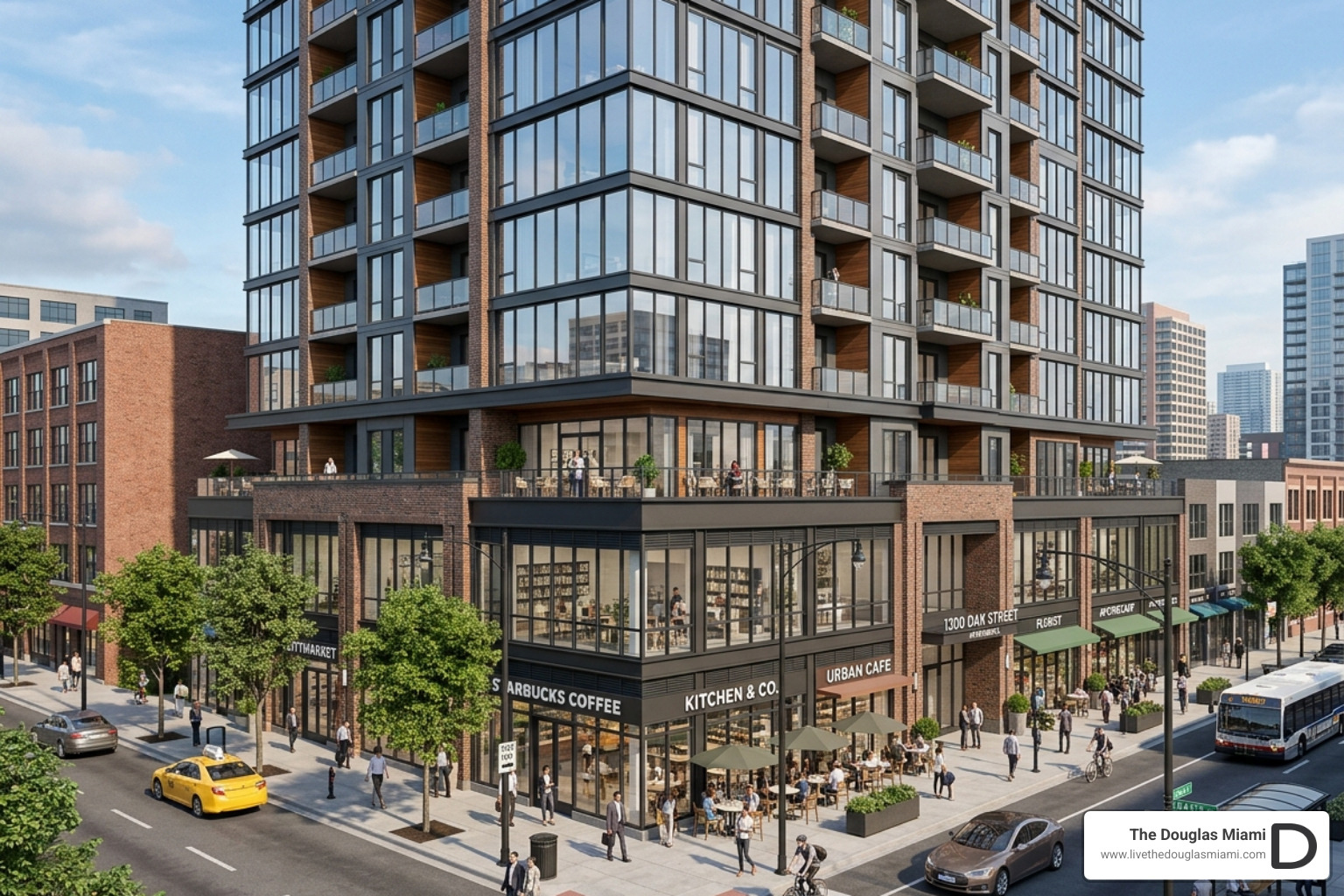
Architectural renderings of these projects often showcase how the building interacts with the street. For instance, a 12-story height allows for enough density to justify premium amenities while maintaining a footprint that respects the neighborhood context. In some urban settings, like 1625 Lincoln Blvd or 1600 Carpenter St, developers have used this 191-unit count to anchor multi-phase developments, often bisecting the project with landscaped alleys or pedestrian bridges to improve connectivity.
For those keeping an eye on the industry, our Market News section frequently highlights how these mid-rise structures are becoming the preferred choice for infill development, replacing underutilized commercial lots or "anti-urban" shopping malls with vibrant, pedestrian-oriented homes.
Architectural Style and Height
The architectural style of a 191-unit mixed-use building can vary wildly depending on the city's requirements. We often see a mix of Type I concrete construction for the lower levels (to support retail and parking) and Type III wood framing for the residential upper floors. In some high-density areas, these buildings can reach heights of 273 feet, as seen in projects like the Eterna Tower.
A fascinating trend in this sector is historic facade retention. Rather than demolishing a piece of history, developers integrate the street-facing facade and parapet of an older building into the new 191-unit structure. This creates a "gateway" effect, blending modern glass and metal panels with the textured masonry of the past. For a deeper dive into how these permits are navigated, the Eterna Tower Project Details provide an excellent look at the administrative hurdles of high-rise mixed-use design.
Parking and Subterranean Infrastructure
A challenge for any 191-unit mixed-use building is where to put the cars. To maximize ground-floor retail and public space, most modern designs utilize two-level subterranean parking. Parking counts for these buildings typically range from 141 spaces (utilizing transit-oriented density bonuses) to upwards of 411 spaces for luxury-focused developments.
We prioritize interior access for our garages to reduce street curb cuts, which makes the sidewalk safer and more inviting for pedestrians. When you're out Apartment Hunting Tips, always look for projects that conceal their parking; it’s a sign that the developer cares about the streetscape as much as the interior.
Residential and Commercial Synergy
The "mixed" in mixed-use is where the magic happens. By pairing 191 residences with roughly 8,000 to 23,000 square feet of retail, developers create a "20-minute neighborhood" within a single block. This synergy ensures that the building is active 24/7—residents are there at night, and retail customers keep the area buzzing during the day.

Residential Mix within a 191-Unit Mixed-Use Building
A 191-unit mixed-use building typically offers a diverse unit mix to attract a broad demographic. Based on successful models, a common breakdown looks like this:
- Studios (approx. 7-10%): Perfect for young professionals or students.
- One-Bedroom (approx. 47-60%): The "bread and butter" of urban rentals.
- Two-Bedroom (approx. 30-40%): Ideal for roommates or small families.
- Three-Bedroom (approx. 6%): A rare but necessary option for larger households.
With an average unit size of around 919 square feet, these apartments provide ample space while remaining efficient. You can find more about how these unit mixes are evolving in our Property News Updates.
Commercial Integration in a 191-Unit Mixed-Use Building
The commercial component isn't just about filling space; it’s about curation. Whether it’s a ground-floor restaurant with an outdoor dining plaza or innovative live-work lofts, the retail should serve both the residents and the surrounding community. In Santa Monica, for example, Modern Mixed-Use Apartments in Santa Monica have successfully integrated organic cafes and superfood bars that become neighborhood favorites.
We often discuss the importance of this commercial-residential balance on our Blog, as it is the primary driver of property value and resident satisfaction.
Zoning, Density, and Community Impact
Navigating the zoning of a 191-unit mixed-use building requires a deep understanding of local laws. Many of these projects utilize "Node Mixed Use" (NX-8) zoning, which allows for higher density near transit hubs. Developers also frequently lean on the Density Bonus Law, which permits more units or height in exchange for including affordable housing—often ranging from 10% to 20% "Below Market Rate" (BMR) units.
| Zoning Incentive | Benefit to Project | Community Benefit |
|---|---|---|
| Height Waiver | Increases unit count/ROI | More housing supply |
| Parking Reduction | Lowers construction costs | Encourages transit use |
| Setback Waiver | Maximizes site footprint | Better street activation |
Adaptive Reuse and Site History
Not every 191-unit mixed-use building is a ground-up construction. Adaptive reuse is a massive trend, such as converting a 1972 Holiday Inn on a 4-acre property into "The Palms" apartments. This process involves stripping a building to its bones and modernizing it, which is often more sustainable than starting from scratch. Other projects replace "anti-pedestrian" shopping malls with retail-fronted homes, drastically improving the neighborhood's walkability. For a look at how sustainability and design intersect in these projects, check out Modern Mixed-Use Apartments at 1550 Lincoln Blvd.
Community Benefits and Public Features
A successful building gives back to the public. This can take the form of a landscaped paseo—a public walkway that cuts through the property—or pedestrian bridges that connect different wings of the building. In some cases, developers even adjust the "massing" of the building to preserve views of local landmarks, such as the Fremont Bridge in Portland, ensuring the new structure doesn't feel like a wall to the rest of the community.
Sustainability and Modern Amenities
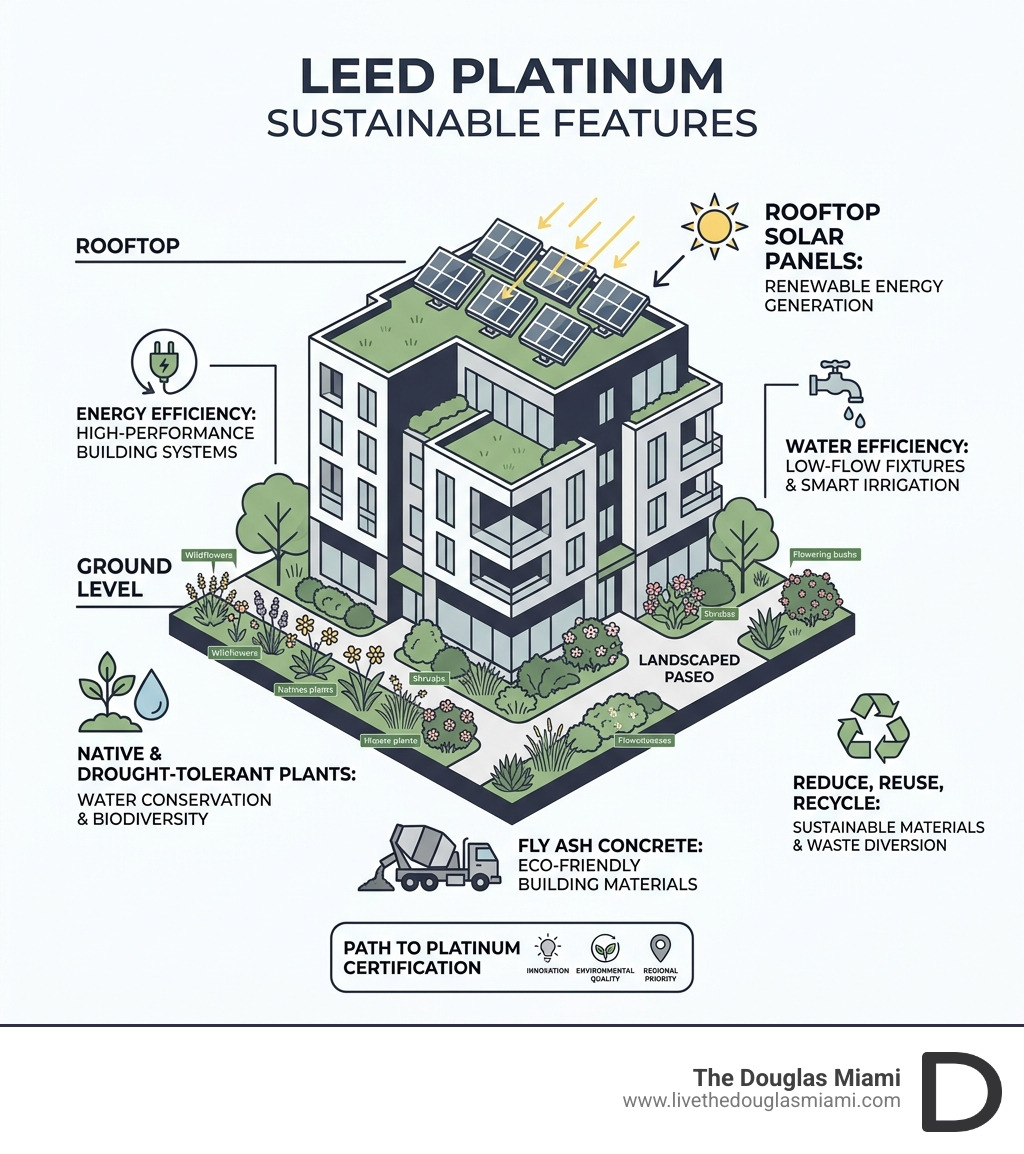
In 2026, sustainability isn't optional. Leading 191-unit mixed-use building projects target LEED Platinum certification. This involves using fly ash concrete (a more eco-friendly alternative to traditional cement), installing rooftop solar panels, and utilizing drought-tolerant native plants for all landscaping.
Transit-Oriented Development (TOD)
Locating a building near transit lines—like the Expo line in California or future BART access in San Jose—is a core strategy for the 191-unit model. This "Transit-Oriented Development" supports the "20-minute neighborhood" concept, where everything a resident needs is within a short walk or train ride. To support this, we include dedicated bike rooms and secure package rooms to accommodate the lifestyle of the modern urbanite.
Luxury Lifestyle Features
To stand out in a competitive market like Miami, a 191-unit mixed-use building must offer "wow" factors. At The Douglas, we’ve found that residents crave social and active amenities. Our 191-unit development features:
- Pickleball Court: The fastest-growing sport in America, right on the amenity deck.
- Golf Simulator: Perfect for practicing your swing without leaving the building.
- Skyline Views: A panoramic rooftop lounge that offers breathtaking views of the Miami horizon.
- Resident Screening Room: A private theater for movie nights and sporting events.
- Co-working Lounge: Sophisticated spaces with private meeting rooms for the work-from-home era.
Frequently Asked Questions about 191-Unit Developments
What is the typical retail square footage for a 191-unit building?
Generally, a building of this scale supports between 8,000 and 23,000 square feet of retail. This is enough space for a signature restaurant, a boutique fitness studio, and perhaps a small grocery or dry cleaner, providing essential services to residents.
How does a 191-unit scale impact local parking?
While 191 units bring more residents, modern mixed-use buildings often mitigate traffic by utilizing subterranean parking and encouraging transit use. By offering around 1.5 to 2 spaces per unit in a secure garage, developers keep resident cars off the street while reducing the visual impact of parking structures.
Why is 191 units common in adaptive reuse projects?
The number often stems from the existing "bones" of older commercial buildings, like hotels or office towers. A standard hotel floor plate can often be efficiently subdivided into roughly 25-30 apartments; over 6 or 7 stories, this naturally lands in the 180-200 unit range, making 191 a frequent "sweet spot" for efficiency.
Conclusion
The 191-unit mixed-use building represents the future of urban evolution. It provides the density needed to solve housing shortages, the commercial space to drive local economies, and the luxury amenities that modern residents demand. At The Douglas Miami, we are proud to contribute to this landscape with our 12-story community at 7737 NE 2nd Ave, blending high-end living with the vibrant energy of Miami.
Whether you're looking for a home with a pickleball court and skyline views or you're a student of urban planning, understanding the 191-unit scale is key to understanding where our cities are headed.
Ready to see the magic number in action? Explore The Douglas Miami and discover a new standard of luxury mixed-use living.

Related Posts

CONTACT US
Everything starts with hello. Fill out the form below to stay in the loop with updates on The Douglas.
